In modern applications such as IoT devices, wearable electronics and low-power systems, measuring currents in the microampere (µA) or even picoampere (pA) ranges is becoming increasingly common. However, obtaining a reading on a multimeter does not guarantee an accurate measurement . On the contrary, there are multiple factors that can distort the results if they are not properly controlled. Therefore, applying best practices, along with proper equipment maintenance and calibration, is essential to ensure reliable and repeatable data . First, it is important to understand the impact of burden voltage . When measuring current, the digital multimeter (DMM) is connected in series. This generates a small voltage drop due to its internal resistance (shunt, fuses, and leads). As a result: 👉 Key recommendation: As you work with lower currents, external noise becomes more critical. In this context, three main sources stand out: It comes from motors, transformers, or other nearby equipment. Solution: It occurs when there are multiple ground references. Solution: It originates from temperature differences between different metals. Solution: 👉 Taken together, these actions form part of a preventive maintenance strategy , aimed at ensuring stable measurements over time. Another major challenge is the variable behavior of the devices. For example, a team can go from: Given this scenario, a single measurement range is not enough. 👉 Good practices: In this way, a complete characterization of energy consumption is obtained. In addition to the environment, the multimeter itself can affect the measurement. This occurs due to internal currents associated with its electrical design. slot gacor These interferences: 👉 How can we reduce this problem? To guarantee reliable results, it is not enough to simply apply good practices. It is also essential to have calibrated instruments. Calibration allows: Furthermore, working with an accredited metrology laboratory ensures that the results are backed by recognized standards. In summary, measuring ultra-low currents requires much more than just connecting a multimeter. It is necessary to consider: Therefore, implementing good measurement practices, along with maintenance and calibration programs, allows for obtaining reliable data and optimizing the performance of electronic systems.
Charging voltage: a silent measurement error
Use equipment with low charging voltage and verify its condition through periodic calibration. This ensures that the instrument is not introducing additional errors.Electrical noise: the main enemy of precision
🔹 Electromagnetic noise
🔹 Ground loop noise
🔹 Thermal noise
Dynamic range: how to measure from micro to milliamps
Internal noise of the multimeter: the error you can’t see
Importance of calibration in low current measurements
Conclusion: precision, control, and reliability
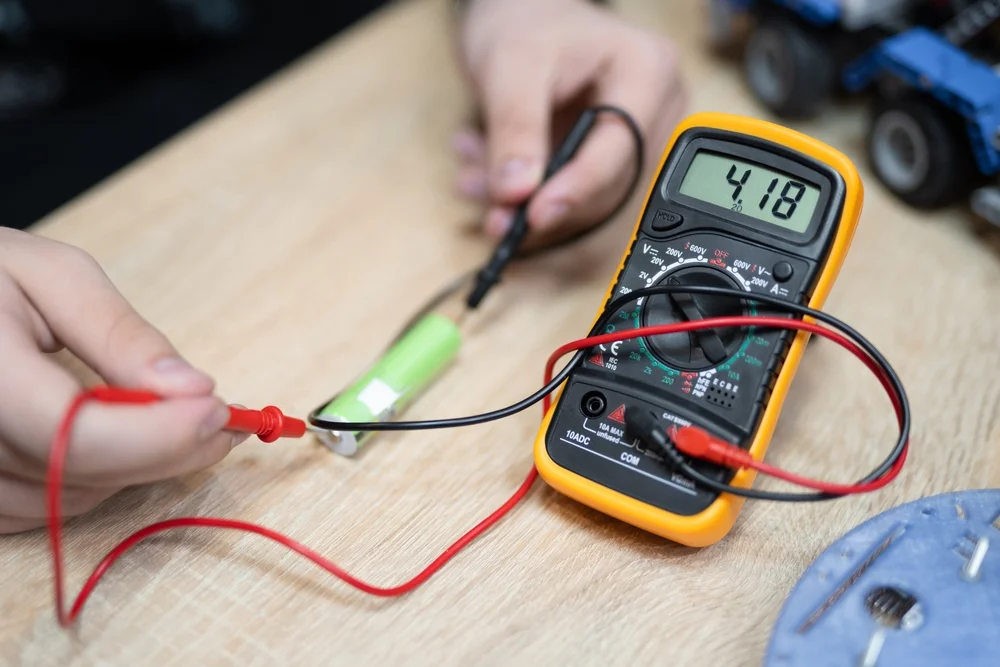
Are your low-current measurements truly reliable?
Ensure the accuracy of your instruments with specialized calibration and maintenance services, and avoid errors that could affect your results and technical decisions.Contact us here